
 it
it  en
en  en
en 
One of the most exciting – and sometimes overwhelming – things about heading off to uni is working out where to live. Particularly if you’re a first year, you’re likely weighing up halls or a house share, but it’s also worth considering purpose-built student accommodation, or PBSA. There’s no right answer for everyone as it totally depends on your budget, where you’re at with your studies and how you like to spend your days. That’s why we’ve put together a great guide that looks at the student house, university halls and PBSA pros and cons, so you can choose somewhere that feels right for you and your university life.
What Are the Different Types of Student Accommodation?
Before comparing the different types of student accommodation, it helps to understand what each one actually is. For this guide, we’re separating university halls, private PBSA and house share rentals, although you may also see PBSA described as “private halls”.

Purpose Built Student Accommodation (PBSA)
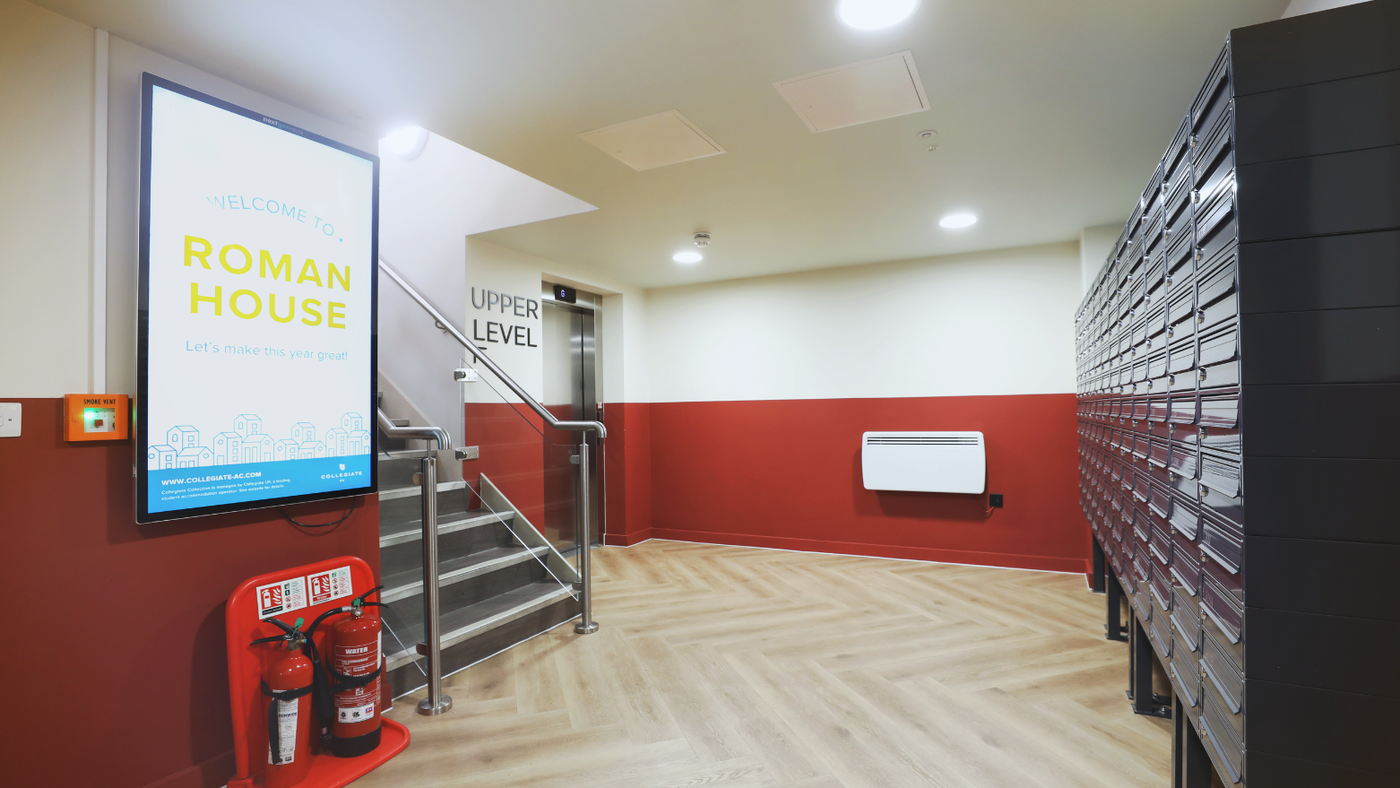
Here, we’re referring to accommodation built specifically for students run by private accommodation providers, separate from university-owned halls. Depending on the property, you can usually choose between a bedroom in a shared apartment or a self-contained studio.
University Halls
University halls are owned or managed by a university or sometimes through an accommodation partner. They’re often on or close to the campus and are a common choice for first-year students, although some universities also offer specific accommodation for returning students and postgraduates.

Private Rentals and House Shares
Private rentals are houses or flats let through a landlord or letting agency. They’re a popular choice for second- and third-year students where you might rent a room individually with other students or you can arrange a shared property together with friends.
Our guide to choosing the right student accommodation offers more about matching your living arrangement to your uni life.
Comparing Facilities and Support
University halls generally provide furnished bedrooms, shared kitchens in self-catered accommodation and WiFi with no need to worry about bills. You may also find on-site facilities like common rooms, dedicated study spaces or laundry facilities. Repairs and maintenance usually go through the university’s accommodation service, with residential staff on hand, as well as welfare teams offering additional support.
PBSA also commonly provides furnished rooms with WiFi and bills included in your rent. Depending on the provider, you may find facilities like a gym, study rooms, lounges or even cinema spaces which can be useful if you enjoy having places to study and unwind close by. However, facilities vary between providers so always check the individual property thoroughly. Managed accommodation also gives an established route for reporting problems or repairs, but it doesn’t automatically mean every request happens immediately.
Private rentals usually vary on how furnished they are and what the arrangements are for WiFi and bills so ask for that detail upfront. Maintenance is handled by the landlord or agency, so it’s worth asking each provider how urgent repairs are handled, who responds outside office hours and how you can follow up with an unresolved issue.
Consider things like where you’ll study when you need a change of scenery, or how many people you’re comfortable sharing your living space with, if any. It’s helpful to think about how your space will work on an ordinary weekday when weighing up private student accommodation vs halls.

Cost Comparison: Which Is Cheapest?
We’ve compared types of student accommodation below as a guide. The fairest private student accommodation vs uni halls comparison looks at your total monthly spending and the full period you’ll be paying for. Private rentals can look cheapest at first glance, particularly when you’re sharing with friends. However, the advertised rent may exclude things like utility bills and WiFi. A lower weekly rate can still lead to a higher total if you’re paying for rent outside of when you’ll need it e.g. if you’re heading home or away outside of the academic year.
Compare the full accommodation commitment, then check whether the payment dates fit your student finance or other income.
| Expense | University halls | Private PBSA | Private rentals and house shares |
|---|---|---|---|
| Rent | Usually quoted for a stated accommodation period | Usually quoted for a stated contract length | Check the individual rent and tenancy terms |
| Gas, electricity and water | Commonly included; check any usage conditions | Commonly included; check any fair-use allowance | May be separate or included in a bills package |
| Broadband or WiFi | Commonly included | Commonly included | May need arranging and paying for separately |
| Contents insurance | Sometimes included; check the cover | Sometimes included; check the cover | Often arranged separately, unless already covered |
| Other spending | Check laundry, catering and any optional services | Check laundry and optional extras | Allow for any services or household essentials you arrange yourselves |
Use this table as a checklist alongside reading each offer and check what “all-inclusive” rent actually covers. Some private rentals advertise rent alone, while bills packages may come with usage limits so feel free to ask for a written breakdown so you know what you’re agreeing to.
Before choosing, leave room in your budget for food, travel and enjoying university life and take a look at our tips on managing your money as a student.

Location and Social Life
Your address shapes much more than your journey to lectures; it can influence who you spend time the most time with and what coming home feels like after a busy day. Imagine a typical Tuesday morning as well as a Saturday night in your home, and check the journey to your actual campus, the route home after a night out and whether the neighbourhood amenities suit your routine when making the PBSA vs student house vs halls decision.
- University halls are often favoured by first years because it puts you near campus and among other students finding their feet. That can make spontaneous plans and building friendships easier, although a busy social atmosphere may feel tiring or a bit intense if you prefer quiet evenings. Check where the halls sit in relation to your teaching buildings, especially if your university has several campuses.
- PBSA is often found near universities or in city-centre locations. Since they’re open to all students in a given location, you may meet students from different courses, years and institutions, giving you opportunities to widen your circle. Shared apartments offer everyday company, while studios give you more privacy. If you choose a studio, you may need to be more intentional about getting out and meeting people.
- Private rentals are often spread across residential neighbourhoods and established student areas. Living with a smaller group can feel familiar and settled, particularly when you already know each other. However, you’ll still need to make room for different routines, and you may have fewer spontaneous opportunities to meet new people.
How to Decide Which Student Accommodation Is Right for You
If you’re still weighing up PBSA vs halls or wondering whether a house share would suit you better, work through these four questions for any property you’re considering.
1. What year of study are you entering?
The first year may be about finding your feet and meeting people. Later on, you might want to live with established friends or find a setting that suits placements, dissertations or postgraduate study. Your year can guide your student accommodation choice without deciding it for you.
2. What can you comfortably afford?
Use our comparison table above to build a realistic shortlist. Choose somewhere that leaves breathing room for the rest of student life, rather than stretching your budget to its limit.
3. How much independence do you want?
Think about whether you enjoy organising a shared household, prefer living within an established residence or would like your own self-contained space. Independence looks different for everyone.
4. What kind of social life suits you?
Would you enjoy meeting lots of new people, living with a few close friends or having your own space between plans? Be honest about what helps you feel comfortable, rather than choosing what sounds like the “typical” university experience.
Visit your options if possible, or request a live virtual viewing before committing to anything and always be sure to check the contract dates, cancellation terms and any conditions linked to your university offer or visa. You’ll have a new place to call home in no time.
FAQs
Are university halls worth it for first-year students?
Halls can be a good fit if you want to settle into university alongside other new students. However, halls aren’t essential for making friends. Consider whether the atmosphere suits you, and remember that courses, societies and other accommodation options offer opportunities to meet people too.
Can I switch my type of student accommodation after my first year?
Yes. You can choose a different type for the following year, subject to availability and eligibility. Check when your current agreement ends and when your next one begins. If you want to move before your agreement ends, ask about your options first as moving out doesn’t automatically end your obligations.
Do I need a guarantor for private rentals but not PBSA?
Both private landlords and PBSA providers may request a guarantor. Requirements depend on the provider and payment arrangement, so don’t assume PBSA is automatically guarantor-free. If you don’t have one, ask what alternatives are available before booking.
Is student accommodation safe in terms of building standards?
Student accommodation must meet the safety requirements that apply to the property, but the accommodation label alone isn’t a guarantee. Collegiate residences as an example are covered by the ANUK/Unipol National Code, which sets standards for accommodation management. If you’re unsure, feel free to ask about fire procedures, inspections and relevant accreditation.
Can international students book PBSA before arriving in the UK?
Usually yes as many providers offer online booking, including Collegiate. Before committing, confirm the documents you’ll need, your arrival arrangements and what happens if your visa or university plans change. Check the booking and moving-in guidance and request a virtual viewing if you can’t visit.
What happens if I don’t get on with my flatmates?
Whatever issue you’re experiencing, you should always start with a calm conversation about the specific problem and it can help to agree on a few shared expectations. Our tips for getting on with your flatmates are a useful starting point. If things remain difficult, speak to your accommodation team or university housing adviser.
Is a shorter PBSA contract available for exchange or short-term students?
Some providers offer shorter stays, although dates, minimum stays and availability vary so always look to confirm that the available dates cover your whole visit, including any arrival or departure days outside your course timetable. Collegiate has short-stay accommodation options, which may suit exchange programmes or temporary study arrangements.
Can parents visit or stay overnight in student accommodation?
Visits are commonly allowed, but overnight rules vary by residence. You may need to register guests, notify the accommodation team or follow limits on how long they can stay. Check your own residence’s policy and always discuss shared-space arrangements with your flatmates.
How far in advance should I book my accommodation?
Start researching once you have a university shortlist, then check when applications or bookings open. University guarantees may have deadlines, while private availability varies by city and room type. Give yourself time to compare options, but read the cancellation terms before booking while your plans are still uncertain.
What’s included in a typical PBSA cleaning or lifestyle package?
There isn’t one standard package so it’s best to check the service description carefully. Lifestyle packs may contain bedding, towels or kitchen essentials, while cleaning services cover specific rooms or tasks. Collegiate’s lifestyle packs and cleaning services include starter kits and several housekeeping options.

List of 10 things you should bring to a university residence
September 18, 2026
Is Student Accommodation Better Than A House For 2nd Year Students?
September 18, 2026

How to Live in London Cheap as a Student
August 12, 2026
Cheap Things to Do in London for Students
August 12, 2026