
 it
it  en
en  en
en 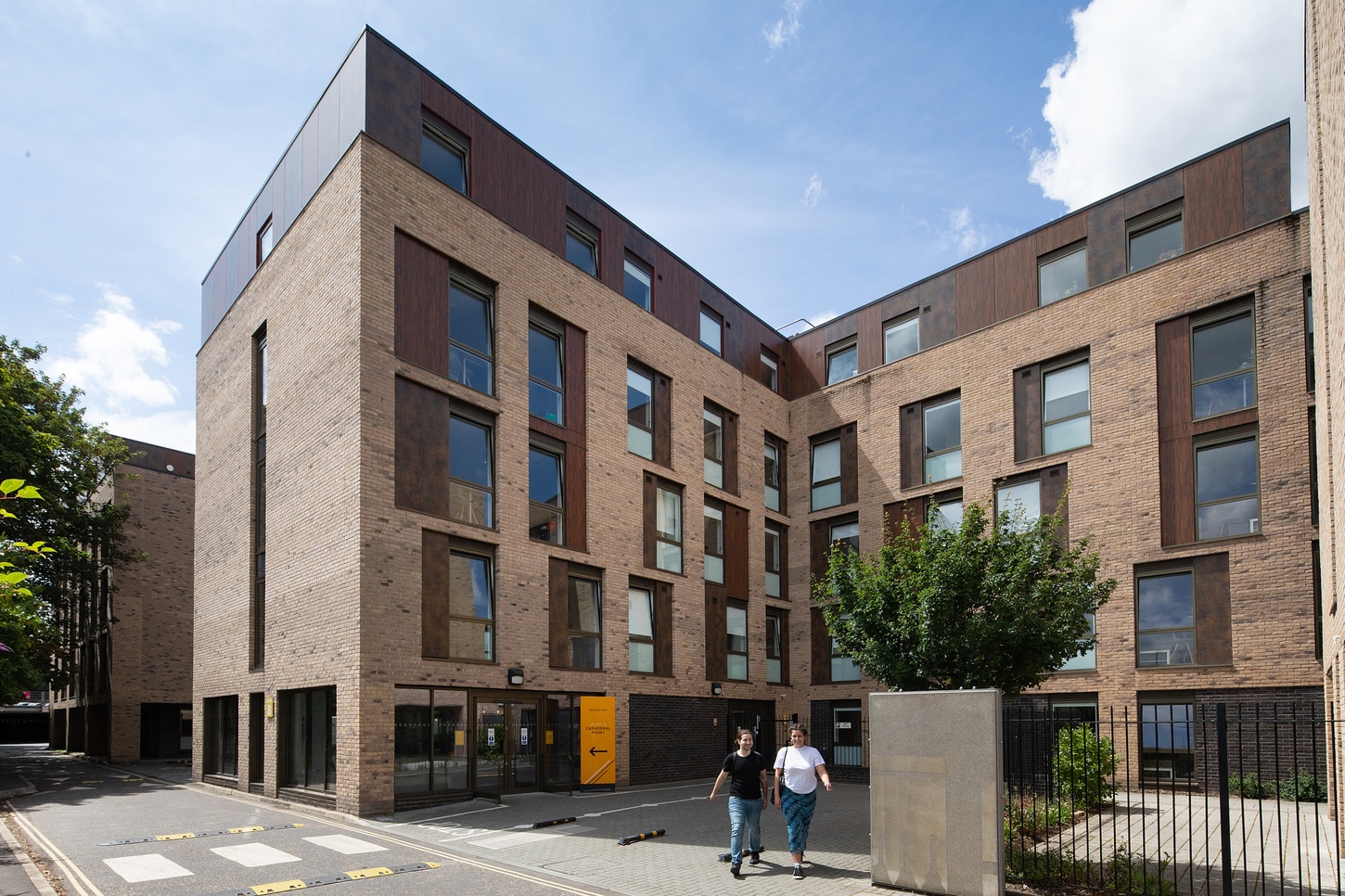
Choosing where to live after the first year often comes down to two main options; staying in managed student accommodation vs a house share. Your friends might already be planning a house share, and want you to join but that doesn’t mean you have to do it without considering other options. There’s no single right answer, and really it comes down to your budget, lifestyle and preference for convenience and independence. That’s why we’ve put together a guide to help you look at the different types of second year accommodation available, including purpose-built student accommodation, or PBSA, which is also an option beyond your first year.

Student Accommodation vs a House: What’s the Real Difference?
When comparing student accommodation vs a house, both can give you somewhere comfortable and safe to study, spend time with friends and make your own, but the organisation behind them is different.
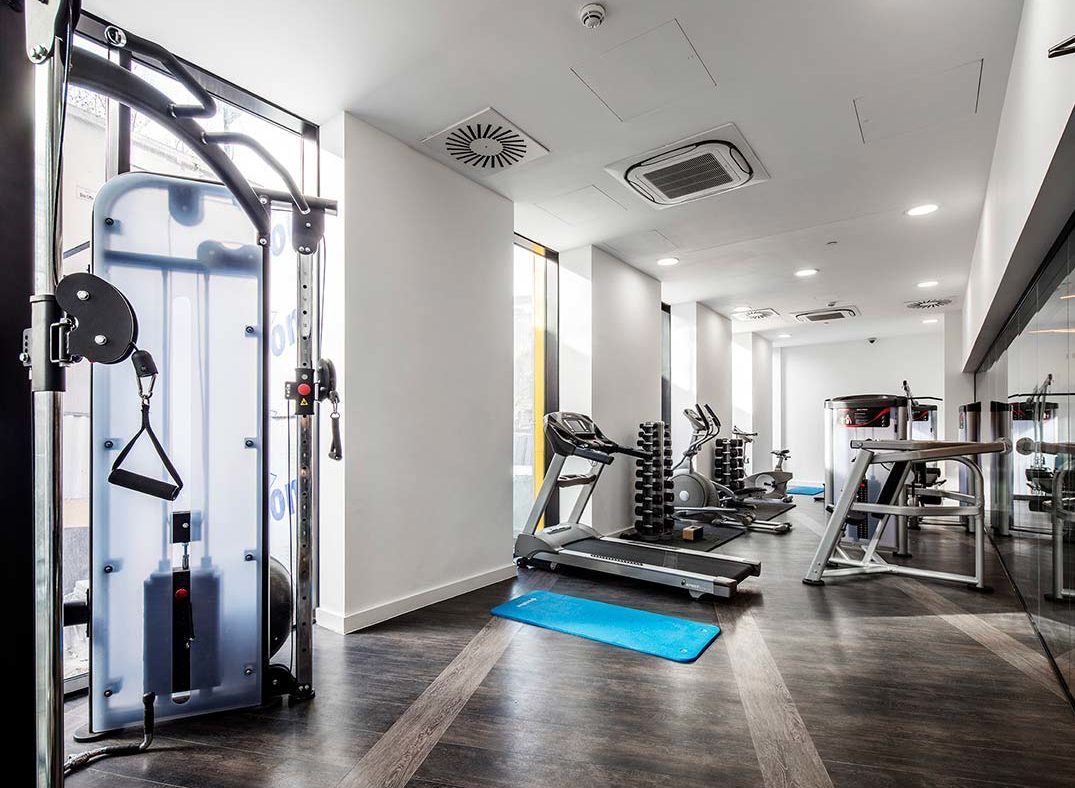
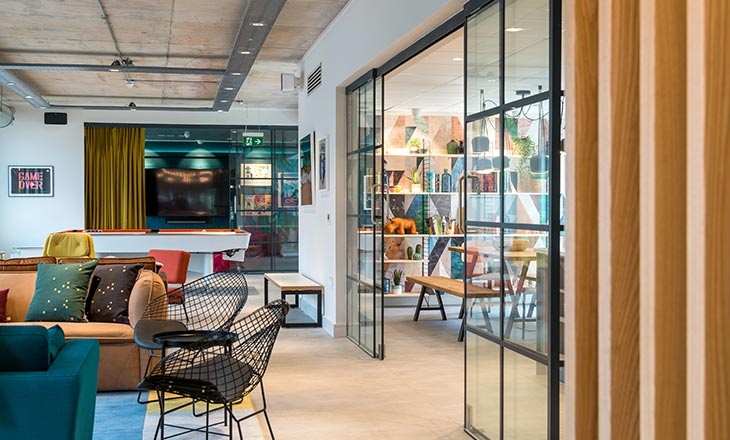
Student accommodation typically refers to university-owned halls and privately managed student residences, including PBSA. You’ll usually have a furnished bedroom within a shared flat or a self-contained studio and depending on the property, there may also be study rooms, a gym or communal lounges. Managed residences have dedicated reporting routes for problems, and some provide 24/7 security or support. Check whether that means staff physically on site, an emergency contact or a separate helpline.
A private student house is generally a residential property privately rented through a landlord or letting agent. You might move in with an established group or take an individual room. Kitchens, living rooms and bathrooms are often shared, although layouts and furnishing levels vary considerably and some houses offer gardens or more communal living space. A house usually has an off-site landlord or agent, so tenants take more responsibility for reporting issues and coordinating access.
You may also come across the phrase “HMO vs serviced accommodation” while doing your research which stands for house in multiple occupation. This is usually furnished, serviced accommodation often for shorter visits. Neither term is a direct substitute for PBSA, so check what an advert actually offers rather than relying on the headline label.

Contracts and Responsibilities
University halls commonly offer contracts covering the academic year, while PBSA may offer shorter academic-year stays or longer arrangements. Read the actual start and end dates of your contract because student accommodation doesn’t automatically mean term-time only, and holiday access can matter if you’re working or studying locally.
Private student houses have traditionally been advertised around a full calendar year. However, since 1 May 2026, most private assured tenancies in England run on a rolling basis rather than having a fixed end date. University halls and qualifying PBSA operate differently, while other UK nations have separate rules.
Wherever you decide to go, report problems promptly and look after the property. In a private rental, major repairs such as heating, plumbing and structural work generally remain the landlord’s responsibility. Ask how urgent and routine requests are handled before committing.
Also establish whether you’ll sign an individual agreement or a joint tenancy, and what responsibilities that creates towards other residents. A guarantor may be required but we go into more detail on that in the FAQs below.
Cost Comparison: Is a House Cheaper Than Student Accommodation?
A house can be cheaper, particularly when several people share it, but a lower advertised rent doesn’t necessarily mean a lower overall cost. Private house rents may cover only the room or property, leaving you and your housemates to arrange bills and utilities. Some landlords offer bills-inclusive packages, so compare specific offers rather than assuming every house works the same way. For a house, ask upfront how payments will be divided, whose names will be on the accounts and whether a quoted package has usage caps. An estimate based on an unusually quiet summer won’t necessarily reflect a winter when everyone is home studying.

| Expense | Managed student accommodation | Private student house |
|---|---|---|
| Rent | Usually advertised for an individual room or studio | May be advertised per person or for the whole property |
| Gas, electricity and water | Often included, sometimes with usage limits | Often separate unless a package includes them |
| Broadband and WiFi | Commonly included | Usually arranged separately or through a bills package |
| Contents insurance | Included by some providers | Usually something to arrange or check independently |
| Laundry | Check for separate machine charges | Check whether a washing machine is supplied; running costs still apply |
| Other extras | Check cleaning, parking and any optional services | Check parking, optional services and anything missing from the inventory |
Can You Stay in Halls or Student Accommodation After First Year?
Yes, you can stay in student accommodation after your first year. Most PBSA providers, including Collegiate, are open and welcoming to second- and final-year students and postgraduates, so you don’t have to move into a house simply because your first year is ending.
However, can you stay in halls for the second year? The answer depends on your provider. University-owned halls may prioritise first year students, with a smaller number available to returning applicants. Your university’s accommodation team can explain its current allocation policy and application dates.
Privately booked PBSA has its own booking arrangements, so a university’s first-year priority policy does not automatically apply. Staying with the same provider also doesn’t necessarily mean keeping the same room: ask whether you need to rebook, choose a different room type or make a fresh application.
When arranging second year accommodation, confirm three things early: whether you’re eligible, when bookings open and whether your preferred room is available. If you want to remain over summer, ask about the gap between bookings as well. Being able to return for another academic year doesn’t automatically guarantee uninterrupted access to the same room.
Why Second Year and Returning Students Choose Student Accommodation Over a House
After first year, you have a better idea of what helps you feel settled. Perhaps you’ve learned that sharing a kitchen suits you, but sharing a bathroom doesn’t, or that a quiet place to work matters more than being in the busiest student street.
For returning students, managed accommodation can suit change in priorities without requiring a complete change in routine. If you’ve already experienced a house share, you’ll recognise how much time can go into chasing replies, organising household jobs and agreeing who will deal with the next problem.
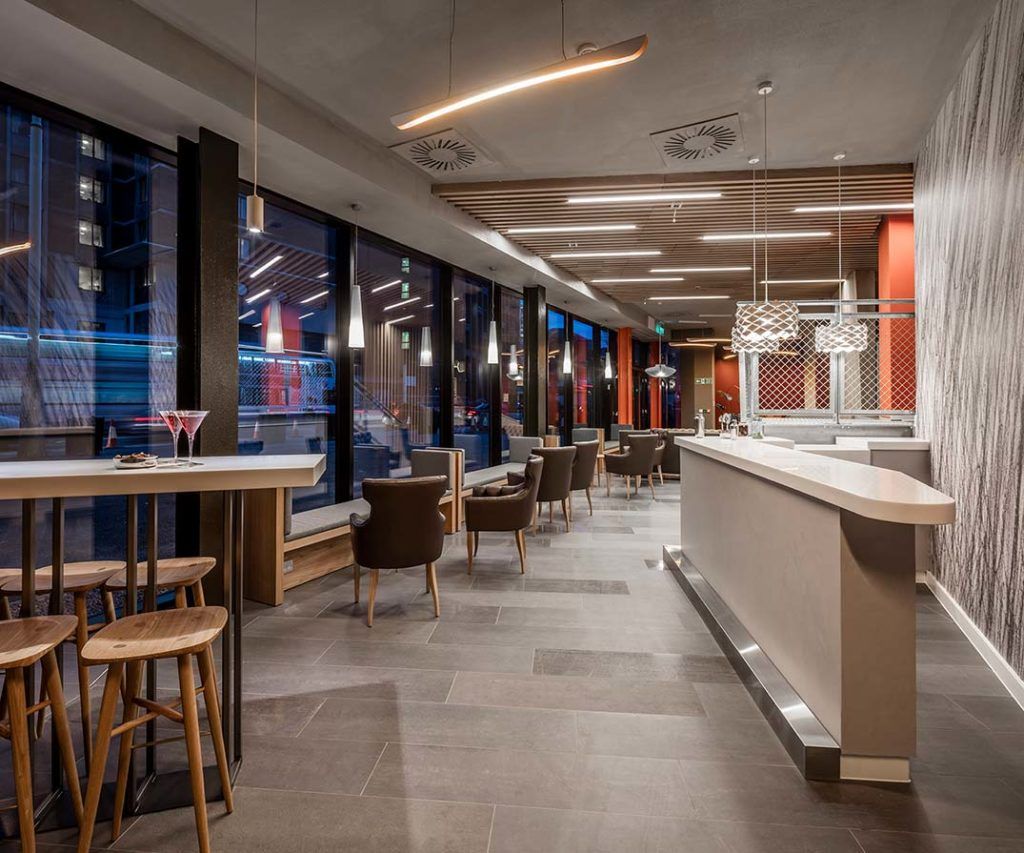
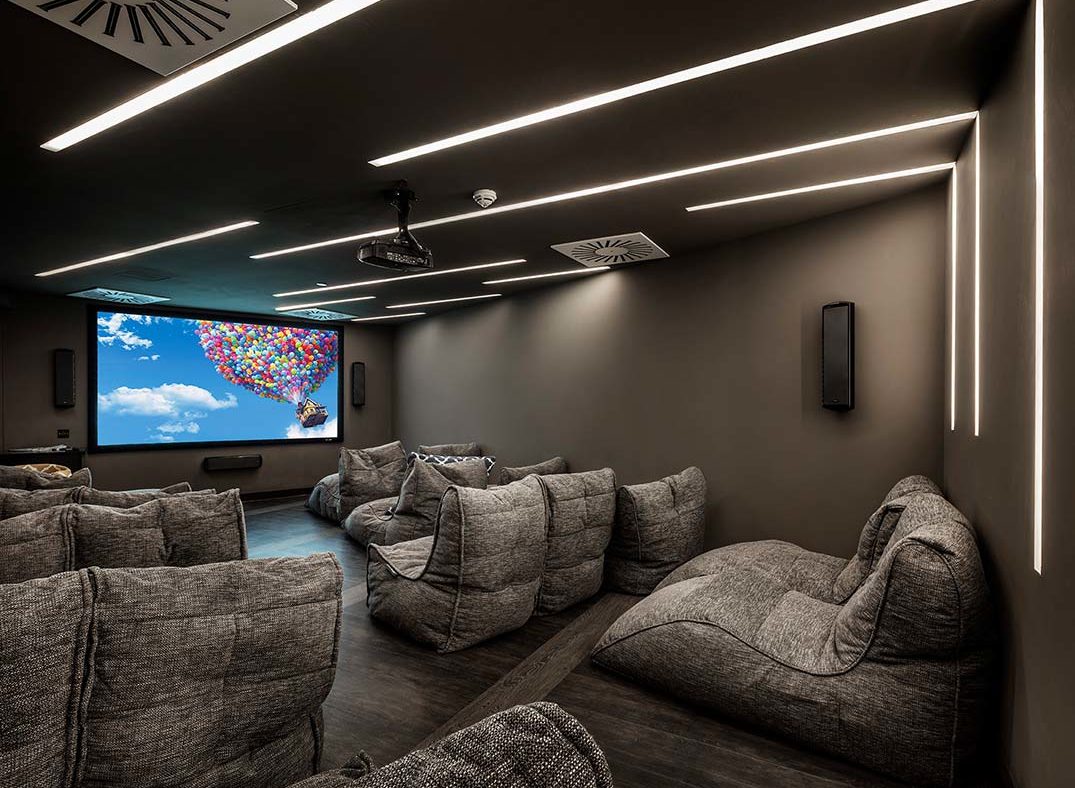
Its appeal isn’t only financial, managed second year accommodation can significantly reduce household admin. Having an established management contact can make that coordination easier, although service quality should still be checked. A house with reliable, organised housemates can work smoothly too, so think about the group you’d actually be living with.
Support for health and wellbeing is another consideration when coursework, placements or personal circumstances become more demanding. Check what is available at your residence or house and how to access it, alongside your university’s own services.
Social opportunities still matter even when you already have friends. If your course mates are scattered across the city, or your friends are leaving for placements, living within a wider student community gives you opportunities to meet people for social and cultural events.
A familiar environment can also be useful during a demanding year. If your current accommodation works well, staying may let you keep the routines you’ve built. Equally, returning to managed accommodation from a house share can be a practical response to changing needs.
Living Styles for Returning Students
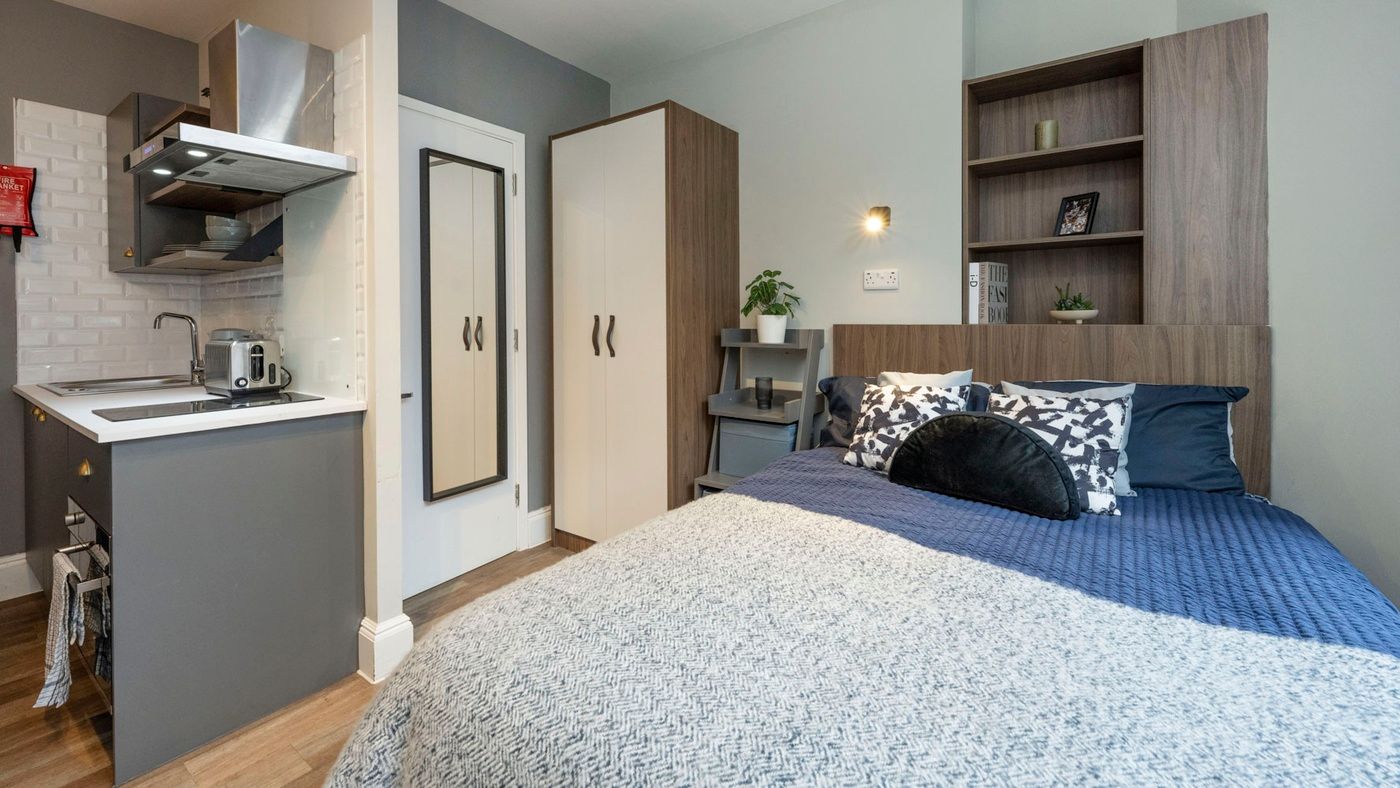
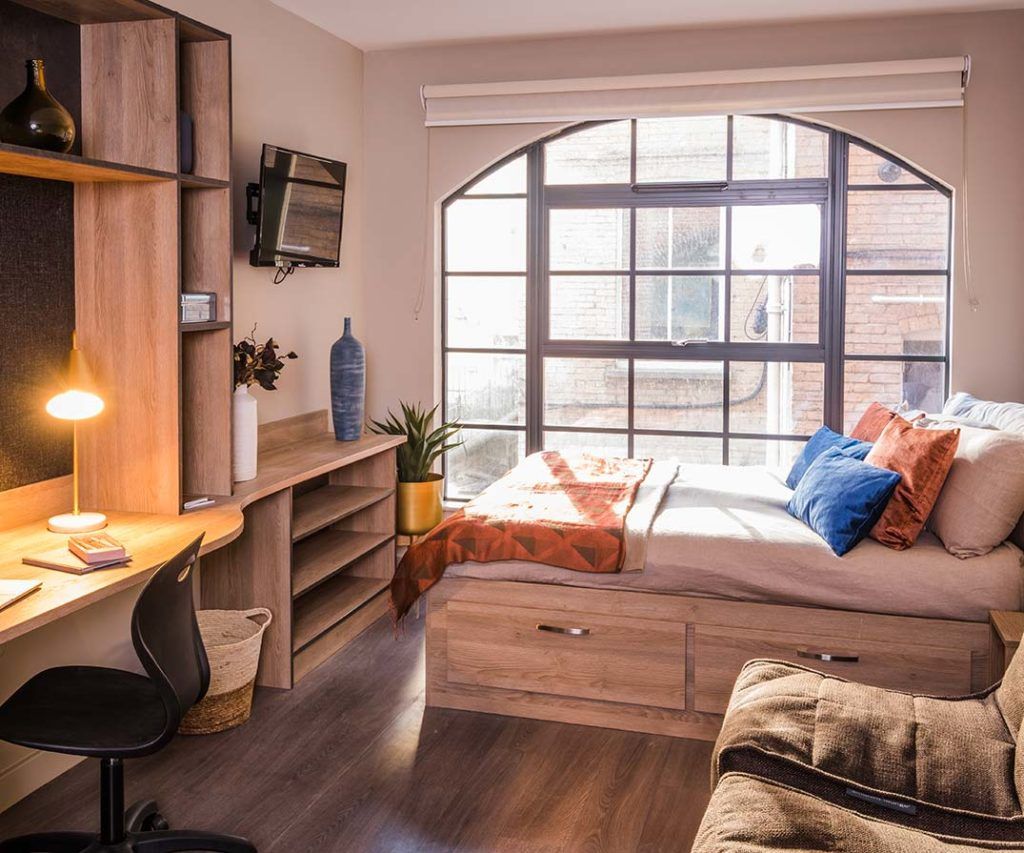
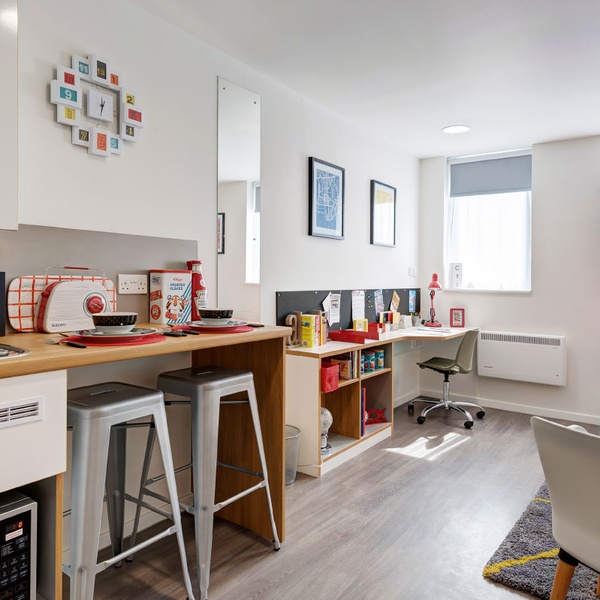
Choosing student accommodation again doesn’t mean repeating your first-year living arrangement. A studio gives you your own sleeping, study and cooking space, usually with a private bathroom. It can suit students who want control over their routine, especially when late shifts or early starts make shared living awkward.
A shared flat offers a different balance with your own bedroom alongside communal space for cooking and spending time together. An en-suite room can also be a useful difference from houses where several residents share one bathroom. Collegiate’s student accommodation includes studios and en-suite rooms so check which choices your preferred residence offers, then consider how you’d use the space on an ordinary weekday.
How to Decide What’s Right for You
So, is student accommodation better than a house? It can be. But, the most useful answer comes from your own priorities. Work through these four considerations, using real properties rather than an idealised version of either option.
1. Budget
Use the full comparison above to set an affordable limit. Leave space for food, travel, course materials and enjoying yourself, rather than committing every available pound to your room. If your preferred option stretches your budget, ask whether the benefits would genuinely improve your everyday life enough to justify it.
2. Independence
Think about what independence means to you. A house may offer the household setup you want, while a studio can provide considerable personal freedom within a managed building. Check guest rules and other practical restrictions in both.
3. Social preference
Decide whether you want to live with a particular group, meet a wider mix of students or prioritise time to yourself. If you’re planning to share, discuss cleanliness, visitors and sleep schedules before booking. Being good friends doesn’t always mean wanting the same things from your home, and honest conversations upfront can prevent frustration later.
4. Location needs
Base your search on where you’ll actually spend time in your second year. That might mean a different teaching building, a placement site, a part-time job or regular evening activities. Try the journey at the time you’d normally travel, and think about getting home after late nights as well as reaching morning lectures.
If you’re wondering when to look for second year accommodation, start researching during the first year and check local booking timelines. Ask your university accommodation service or students’ union about the local market and shortlist a few suitable places. Visit them where possible and write down your questions before each viewing, then you can compare what you’ve actually seen, read the agreement and make your choice with the available details in front of you.
FAQs
Can my partner stay overnight in my student accommodation?
Often, yes, but the guest policy for your residence and agreement decides what’s permitted. Ask about overnight limits, visitor registration and whether you must remain with your guest. If you share a flat, consider how visits affect the people using the same kitchen and communal areas.
Does student accommodation count as a permanent address?
It can be your residential or term-time address while you live there, but “permanent address” means different things on different forms. Your university may ask for both a home address and a term-time address, while another organisation may want your current residence. Follow the form’s instructions and check which proof of address it accepts.
Do I need a UK-based guarantor if I’m an international student?
Not always; it depends on your provider, agreement and payment arrangements. Confirm the conditions for your property before booking, as a private landlord’s requirements may differ to PBSA, so don’t assume the same options apply everywhere.
What happens to my deposit if I decide to leave early?
Leaving early doesn’t automatically mean losing your whole deposit, but moving out doesn’t necessarily end your contractual obligations either. Deductions may be proposed for outstanding rent or damage where justified. Ask for written confirmation of any agreed release and an itemised explanation of deductions. Keep a record of your inventory, any letters you get, and take photographs of your spaces.
Can I view a room before signing a contract?
Yes, you should be able to arrange a viewing before you commit. If the exact room is occupied, you may be offered a similar room, a show flat or a virtual tour.
Is student accommodation noisier than living in a house?
Neither option is automatically quieter or noisier, it depends on your neighbours, sound insulation, street location and where your bedroom sits within the building. A room near a busy communal entrance may feel very different from one overlooking a car park for example. In PBSA, you can ask about quiet hours and how complaints are handled and for a house, consider nearby venues, traffic and your potential housemates’ routines.
Can a group of friends book into the same accommodation together?
Yes, many providers, including Collegiate, accept group booking requests for shared apartments. Contact the team with your group size and preferred residence before everyone books independently. Each person should complete their own booking and identify the friends they want to live with. Ask for confirmation of the allocation: rooms in the same building aren’t necessarily rooms in the same flat.
What’s the notice period if my circumstances change during the year?
It depends on your agreement and location. For most assured periodic tenancies in England, tenants generally give two months’ written notice, with the required end-date rules applying; a shorter period can be agreed. Fixed-term student accommodation may instead require a contractual cancellation route or agreed release. Don’t assume withdrawing from university ends your booking automatically.
Is it harder to get accommodation if I apply late for second year?
It can be harder to secure a particular room type, location or whole flat for friends later in the booking cycle. However, applying late doesn’t mean you’ll have no options, it just means availability changes, and rooms may become available following cancellations. Contact providers directly, ask about waiting lists and keep your essential requirements clear so that time pressure doesn’t push you into an unsuitable choice.
What do I need to bring when moving in?
You’ll generally need bedding, towels, personal items, study equipment and whatever kitchen essentials aren’t provided. Start with your room or house inventory so you know what’s already supplied. Check bed dimensions and appliance rules before buying anything, and coordinate shared items with flatmates. Collegiate’s guide to packing for uni can help you avoid unnecessary purchases and easy-to-forget essentials.
University halls and private rentals vs Collegiate UK's purpose built accommodation
September 18, 2026

List of 10 things you should bring to a university residence
September 18, 2026

How to Live in London Cheap as a Student
August 12, 2026
Cheap Things to Do in London for Students
August 12, 2026