
 it
it  en
en  en
en UCAS Clearing Guide 2026: How University Clearing Works in the UK
Avg. Read Time: 4m 38s
Understand how UCAS Clearing works in 2026, who can apply, and the steps to secure a university place. From Results Day to accepting an offer, our guide helps you navigate Clearing with confidence.

What Is UCAS Clearing?
What Is University Clearing?
Basically, University Clearing is both a way of UK universities filling available spaces on courses, as well as a way of helping students who perhaps didn’t get the offer or grades they were expecting. University Clearing is an official part of the UCAS admissions system in the UK and it opens up different opportunities and so shouldn’t be seen as a kind of ‘last-ditch attempt’ but a viable option to getting university life started in a way that works for you regardless of what results day brings. For more general guidance on the process, visit our applying to university section.
Many well-ranked universities in the UK take part in clearing every year and it means you can still secure a place on an excellent course, and potentially even at universities you might not have considered before.

Who Can Apply Through Clearing?
There are lots of reasons why students might go through UCAS Clearing, if they;
- Didn’t receive offers, or any offers that they wanted to accept
- Didn’t meet the conditions of an offer
- Declined offers that they did get
- Got different grades to what they expected (whether better or worse)
- Were a late applicant (applying after June 30th 2026) or simply changed their mind at the last minute

What Are Clearing Courses?
The term Clearing Courses just refers to the courses that universities try to fill up before the start of a new term. Course availability changes every year depending on things like a change in student demand, recruitment targets or course and teaching capacity. So, your chosen subject area might not be guaranteed and the ability to secure them through UCAS Clearing can be very competitive.
Courses available through Clearing can range from highly specialised degrees to more general subjects, and places are updated regularly throughout the summer. The Times Higher Education reported that in 2026*, the most competitive courses were likely to include;
– Computer Science
– Economics
– Law
– Engineering
– Business Management
Universities in the prestigious Russell Group like Exeter, Warwick, and Lancaster often offer spots in STEM, social sciences, and humanities.
Some courses traditionally have more Clearing spaces because of larger class sizes, higher or lower demand and the fact that universities can offer them across campuses, such as;
- Business Studies
- Sociology
- English Literature
- Culture & Media Studies
- Tourism and Hospitality
- Creative Arts

When Does UCAS Clearing Start and End?
When Does UCAS Clearing Open?
For the 2026 term, the official UCAS Clearing period is open on the UCAS portal between July 2nd and runs until October 19th.
- Early Clearing
Early Clearing opens on July 2nd and is the day you can start applying for university places through UCAS Clearing before the official A-level results day which is August 13th.
This allows students who already have their results, or who don’t have any offers, to secure university places early before the rush of 2026 results day.
Universities start accepting applications from May 2025 with the final deadline before Clearing begins on June 30th.
- Results Day
If you’re receiving your results on August 13th, that is the day you can decide whether or not you need to go through UCAS Clearing to secure your university place.
What Time Does Clearing Open on Results Day?
UCAS Clearing officially opens at 8am on August 13th, which will typically be the same time you will be able to collect your results. It’s worth remembering that many students across the UK will be in a similar position trying to sort their university place, so phone lines are likely to be busy from the beginning.
It’s important to be patient and prepared – a little bit of planning on results day will go a long way on the day. We recommend the following preparation ahead of UCAS Clearing;
- Login details including your UCAS username/password, UCAS ID number, and Clearing number
- The official copy of your A-level results
- Your personal statement and a copy of your CV (if applicable)
- Bring your fully charged phone (and charger or power bank just in case) and a laptop/computer for searching and emailing
- Have a list of alternative courses and university contact numbers – definitely do this ahead of results day so you can think clearly when running through your options
- You’ll likely be on the phone so bring a notepad and pen to write down names, offer details, and login information
UCAS also gives the following tips;
Call Yourself – universities prefer to speak directly to the student, rather than parents.
Be Prepared – have your results and questions ready before calling.
Keep Calm – you can take time to think about offers; you do not need to accept immediately.
Check UCAS Track – if you are eligible for Clearing, it will appear in the UCAS Hub.
The A-level results day timeline on the UCAS website will give you a full rundown of times and dates.
When Does Clearing End?
UCAS Clearing closes on October 19th – while this is the official Clearing deadline, some universities may close courses earlier if they fill up. That’s why it’s important to take your time and think your offer through but be sure to act when you have made your decision.
How Does UCAS Clearing Work?
1. Check if you’re eligible for Clearing
Once you have your results on August 13th, you can check your status in the UCAS hub to see if you’re eligible for Clearing.
You may be able to use Clearing if you applied after 30 June, did not receive any offers, declined your offers, missed the conditions of your firm or insurance choice, or chose to release yourself from a confirmed place.
2. Search for available courses
Search for courses available through UCAS Clearing. You’ll have your short list to hand with alternatives but it’s worth being open minded to places, subjects or locations you may not have considered before.
3. Contact universities directly
Before you add a Clearing choice in UCAS, it’s best to contact the university. You will usually need your UCAS Personal ID, Clearing number, results, and the course you are interested in.
4. Get a verbal or written offer
If the university is interested, they may make you an informal offer. Have your notepad to hand and make sure you’re clear on deadlines, course details, entry requirements, and whether student accommodation is available.
5. Add your Clearing choice in UCAS
Once you are ready to accept, log in to your UCAS application and add the Clearing choice using the course details the university gave you. You should only add one once the university has told you to do so.
6. Wait for confirmation
The university will review your details and confirm your place through UCAS. Once they’ve accepted, your place is official.
7. Sort the practical next steps
After your place is confirmed, update your student finance details, look for student accommodation, check enrolment instructions, and basically can start getting ready for university life.
How Does Clearing Work on Results Day?
Once you’ve received your results, you can start getting in touch with universities through Clearing as we’ve outlined above. Course availability can change rapidly so be sure to come prepared, stay calm and be as organised as possible. Remember that regardless of results, there will be an option for you. Our guide on preparing for A level results covers what to do next in more detail.

Can You Apply for Clearing Before Results Day?
Clearing opens in early July, so you can research vacancies, contact universities, and use the UCAS Clearing Match Service ahead of results day. However, you can only apply for Clearing before results day if you meet a specific criteria:
- You already have your exam grades, for example if you took a gap year – you cannot secure any university without definitive grades
- You are making a brand-new application after the June 30th UCAS deadline
- You have no offers or have declined all previous choices
You can only officially add a Clearing choice to your UCAS application once you have your results and a university has verbally accepted you over the phone or given you written confirmation.
What Grades Do You Need for Clearing?
A great thing about Clearing is the flexibility it gives students if they don’t get the grades they expected. Some universities accept lower grade thresholds for Clearing spaces although more competitive courses may still require higher grades. There’s no guarantee in the admissions process but you have plenty of scope to explore and try, regardless of your results.
How to Apply for Clearing Successfully
How to Search for Clearing Courses
When considering your search for university clearing courses, it’s worth thinking about;
- The location/locations where you’d like to live and study
- University rankings in your chosen subject area
- Future career and employment prospects
- Overall student satisfaction and student life
Use the UCAS search tools, look at university websites and attend as many open days as you can to really get a feel for what you want and what you’d be flexible on if you did have to go through Clearing to secure your university place. If you want the full picture of the application process, see our complete guide to UCAS applications.
What Universities Ask For During Clearing Calls
Grades – be sure to have an official copy of your grades to hand, do not try to remember them off the top of your head.
Personal statement questions – have a print out of your personal statement and be prepared to talk through it.
Interest in the course – show the consideration you’ve made into the subject area and university, treat it as a mini interview, just as you would’ve if it had been your top choice.
Documents & Information You Should Prepare
- UCAS Personal ID number – absolutely crucial to have to hand.
- A copy of your A-level results (potentially your GCSE grades too)
- Personal statement with notes
- Your Clearing shortlist
You can find further guidance on paperwork in our documents and downloads section.
Common Mistakes Students Make During Clearing
- The worst thing you can do is panic – you have time and options so don’t rush your decisions.
- Choosing only based on prestige – a good university is important but so is location, subject and student life.
- Ignoring accommodation availability – don’t just assume you’re guaranteed student accommodation, research what’s available through your chosen university and private options should you need them.
- Not researching the city or university – treat Clearing with the same care you did your initial top choices because they’re just as important.
Missing Clearing deadlines – there’s flexibility in Clearing but deadlines are still expected to be met so take your time but be sure to get things moving as soon as you’re ready.
What Happens After You Get a Clearing Offer?
How to Accept a Clearing Offer
You may receive your Clearing offer verbally over the phone or receive it in writing, likely via email, from the university. Only when you have a confirmed offer can you then add your Clearing choice into UCAS Hub. A UCAS Clearing offer is typically confirmed within a few hours to a few days after you add it as a choice by the university.
Student Accommodation After UCAS Clearing
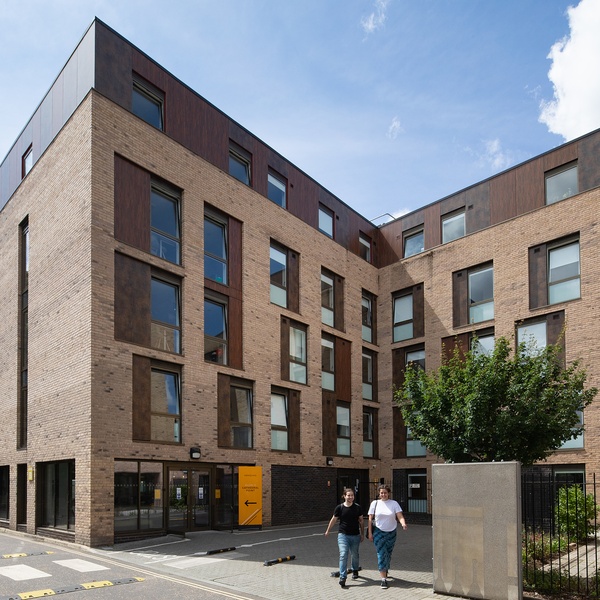
Once you’ve sorted a place at university, it’s essential that you find somewhere great to live. Searching for student accommodation is your next priority as popular student cities will fill up quite quickly. Universities tend to offer student hall accommodation but it’s not always guaranteed so you may also need to consider private options. Purpose-built student accommodation providers, such as Collegiate, offer flexible, fully-managed options across major UK student cities. Our guide to choosing the right student accommodation walks through this step by step.
What If You Change Your Mind After Clearing?
You’re absolutely allowed to change your mind after Clearing and you still have options.
It may be that you’re not ready for university just yet so you can defer your offer, or decline completely and start the application process the following year. It opens you up to a year where you could work and save some money, or explore apprenticeships or short courses that may complement your chosen subject area when or if you do decide to go to university.
- Contact the university whose offer you accepted to let them know you no longer want to attend. If you are just changing your mind about the course but not the university, they may be able to switch you to another course internally.
- Log into your UCAS Hub and use the “decline your place” button which will then enter you back into the Clearing process.
- Search available courses with the UCAS search tool and call the university to secure a new offer.
Once you have a new verbal offer, add it as a new Clearing choice in the UCAS hub.
Tips to Improve Your Chances During UCAS Clearing
Research Universities Before Results Day
Preparing for Clearing ahead of results day really can make the process feel so much less stressful. Instead of rushing into decisions under pressure, you can refer to your shortlist of universities and courses so you know what next steps to take if you get unexpected results. This can help you stay calm and make confident decisions quickly, ultimately helping you to avoid missing opportunities during the busy Clearing period
Stay Flexible With Courses & Locations
Keeping an open mind during Clearing can lead to opportunities you may not have previously considered. Many universities offer alternative degree courses that will be closely related to your first choice and can still support your future career goals. Being flexible with courses and locations can open the door to great universities, new experiences, and a career pathway that you might not have explored before.
Be Ready to Act Quickly
We’ve said it before but the Clearing period moves quickly, especially on results day, so being organised can make a big difference. Universities may fill available spaces fast, meaning you may have to make decisions quite quickly and being prepared allows you to respond confidently and avoid unnecessary delays.
Keep important documents to hand, including your UCAS details, exam results, personal statement, and contact information. It is also helpful to think ahead about student accommodation and finance so you can move forward quickly if you secure a place.
Don’t Panic If Your Results Are Different Than Expected
Getting unexpected results can feel disappointing, but it is important to remember that Clearing provides real opportunities for thousands of students every year, including at well-respected universities across the UK. Your original plan may change, but that does not mean your future is off track as many students discover courses and universities through Clearing that turn out to be a great fit.
Above all, staying calm, positive, and open-minded can help you make the most of the opportunities available and get your university life off to a great start, regardless of what grades you get.
FAQs
Can parents call universities on behalf of students during Clearing?
Your parents can absolutely support you during Clearing, but universities will usually want to speak directly with the applicant before making decisions. This helps confirm your genuine interest, and you can discuss course options, and ensure you have all the information you need. Our guide on how parents can support their kids going to university covers this from their side.
Do universities always reduce grade requirements during Clearing?
Some universities may give flexibility with entry requirements during Clearing, depending on the course availability and demand. However, this varies between universities and courses, so students should still apply for options where they have a realistic chance of acceptance.
Is UCAS Clearing on a first come, first served basis?
UCAS Clearing is not strictly first come, first served but it can move quickly and courses can fill up fast. Universities still assess applications individually and consider grades, availability, and suitability before offering places to students.
Can international students apply through UCAS Clearing?
Yes, many UK universities accept international student applications during Clearing, although students should also consider visa timelines, accommodation, and English language requirements. Our international students section covers these considerations in more depth.
What happens if I miss the UCAS Clearing deadline?
If you miss the UCAS Clearing deadline, your options may become more limited as universities close applications for the academic year. However, some universities may still have late vacancies, so it is worth contacting universities directly for advice.
Can I apply to multiple universities during Clearing?
Students can contact multiple universities during Clearing to talk through available courses and potential offers. However, you can only add one Clearing choice at a time to your UCAS application once a university confirms they are willing to accept you.
Do all universities participate in Clearing every year?
No, not all universities participate in Clearing every year, as it depends on whether courses still have available spaces. Some of the more competitive universities may offer limited places, while others actively recruit students through the Clearing process.

University halls and private rentals vs Collegiate UK's purpose built accommodation
September 18, 2026

List of 10 things you should bring to a university residence
September 18, 2026
Is Student Accommodation Better Than A House For 2nd Year Students?
September 18, 2026

Free Student Discount Cards: The Best Ways for UK Students to Save Money
July 7, 2026