
 it
it  en
en  en
en 
Starting university is exciting but managing your money for potentially the first time can feel overwhelming when you’re considering student loans, paying rent and everyday budgeting for essentials. This is why choosing the right student bank account really matters
Student accounts are specifically designed with features that support real student life, and our guide will help you understand how these accounts work, what to look for, and how to compare the best student bank accounts before you apply.
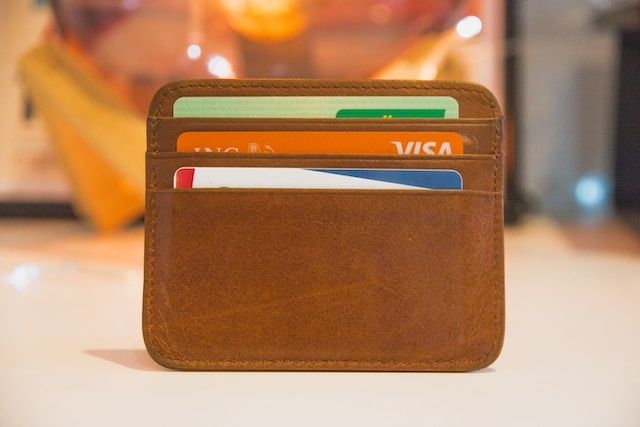
What Is a Student Bank Account?
A student bank account is a current account created specifically for people in higher education. Unlike standard current accounts, these accounts offer financial features tailored to the needs of students who may have unpredictable incomes or limited funds while studying.

Benefits of a Student Bank Account
Opening a student bank account comes with loads of advantages designed to make finances during university life more manageable. The aim is to help students stay in control of their money without getting penalised for occasional low balances.
Typical features of the best student bank accounts include:
- Interest-free overdrafts – Most student accounts offer overdrafts of £1,000-£3,000 at 0% interest, giving students breathing room for unexpected costs.
- Budgeting Tools – Smart budgeting features, spending trackers, and instant notifications help you stay on top of your day-to-day expenses.
- Student-led perks – These can include railcards, cashback on purchases, shop discounts and subscription trials.
- Minimal or no monthly fees – Most student bank accounts remove monthly charges so you can focus on budgeting rather than avoiding penalties.

What to Look for in the Best Student Bank Account in 2026
With so many banks competing for students’ attention, it’s important to compare features carefully and know what to look out for:
- Overdraft size – Look at the maximum overdraft and how it increases over each academic year. Some banks guarantee levels while others are based on eligibility.
- Hidden fees – Check for charges on international payments, unplanned overdrafts, or card replacements.
- Mobile banking – Look for real-time notifications, freezing/unfreezing your card, budgeting tools, and savings pots.
- Ease of Setup – Many banks now allow online applications to save you finding a local branch.

Best Types of Student Bank Accounts in the UK
When you’re researching the best student bank accounts, comparison is key. The best option for you will depend on your lifestyle, spending habits, and banking preferences but here are the main categories of student accounts that can help you decide:
Low fees – ideal for students who want a simple, transparent setup with no surprise charges.
Pros: No monthly fees, low international payment costs
Cons: May offer a smaller overdraft than competitors
Overdraft flexibility – perfect for students who need financial breathing room during the academic year.
Pros: Large interest-free overdrafts up to £3,000, gradual overdraft increases year-by-year
Cons: Eligibility checks may limit access to the full amount
Digital banking – best for tech-savvy students who prefer digital-first banking.
Pros: Usually offer intuitive mobile app, real-time budgeting tools, instant card controls
Cons: Limited physical branches (if any) and potentially only non-digital/Al customer support
International accounts – for those arriving from overseas.
Pros: Multi-currency support, low-cost international transfers, simple online setup
Cons: Perks may be more limited than domestic student accounts

How to Apply for a Student Bank Account in the UK
Applying for a student bank account is straightforward once you know what you need and you can usually apply once you’ve received a UCAS confirmation of your unconditional or confirmed conditional offer.
Most banks will ask for:
- Photo ID (passport or driving licence)
- Proof of student status (UCAS letter or university acceptance)
- Proof of address (utility bill, tenancy agreement, or bank statement)
- Possibly your Student Finance letter
Depending on who you decide to bank with, you can apply online, in your local branch or even via a mobile app. Approval can take anywhere from a few minutes with app-based banks to several days with traditional banks.

How to Find the Best Student Account
Before opening your account, ask yourself:
- Which features matter most? Overdraft size? App quality? Rewards?
- Do you prefer digital-first or face-to-face banking?
- Will you need overdraft flexibility?
- Do you plan to travel or make international payments?
- How important are rewards vs. financial features?
Always compare student bank accounts UK side-by-side to ensure you choose the one that nuinely fits your needs and it isn’t a rushed decision.
FAQs
Can I switch my student bank account later?
Yes, most banks will allow switching through the UK Current Account Switch Service, which moves payments and money automatically.
Do student bank accounts affect my credit score?
Using your student overdraft responsibly will not harm your credit score but missing payments or exceeding limits can.
Do I need a UK phone number to register for online banking?
Yes, most banks require a UK phone number for security verification during registration.
Can I have multiple student bank accounts?
No, banks generally check this and will decline applications if you already have an active student account.
Are postgraduates eligible for student bank accounts?
Some banks offer postgraduate accounts or allow existing student accounts to continue through postgraduate study but this varies with different banks.

University halls and private rentals vs Collegiate UK's purpose built accommodation
September 18, 2026

List of 10 things you should bring to a university residence
September 18, 2026

Is Student Accommodation Better Than A House For 2nd Year Students?
September 18, 2026

Free Student Discount Cards: The Best Ways for UK Students to Save Money
July 7, 2026