
 it
it  en
en  en
en 
Are Video Games Good for You? 15 Research-Backed Benefits of Gaming
Video games previously had a bad reputation for being anti-social and encouraging sedentary behaviour, as well as excessive screen time. Thankfully, technology has advanced since the boom of arcade gaming in the 70s and 80s, and modern research suggests there are many benefits of playing video games in moderation
Like most hobbies, video games aren’t inherently good or bad, and the impact really depends on lots of factors like the type of games you play, how often you play, and how gaming fits into the rest of your lifestyle.
We’ve put together 15 research-backed benefits of playing video games that explore healthy gaming habits, common concerns you may have, and how university students can really reap the benefits of gaming.
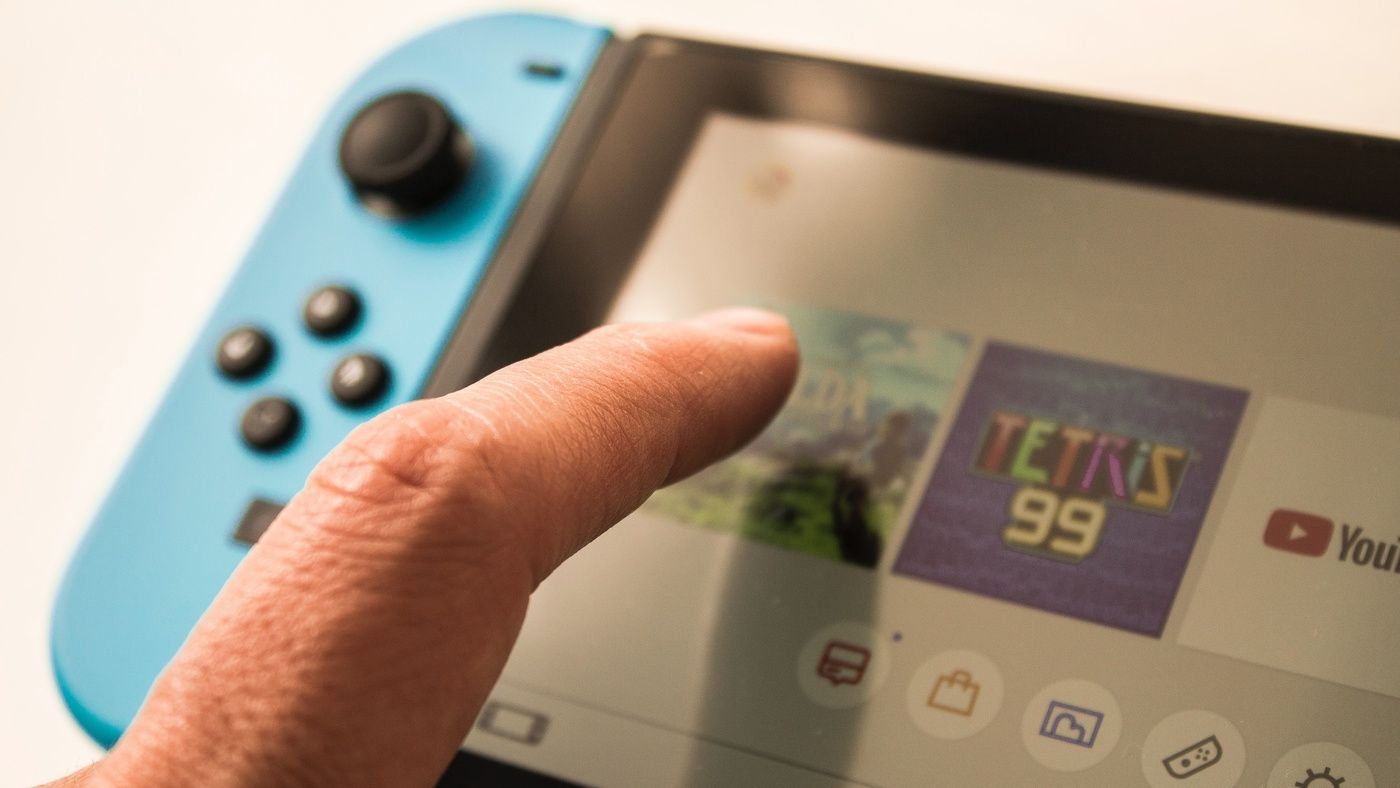
Are Video Games Good for You? What Research Actually Says
For decades, video games caused concern with links to violence, addiction, poor academic performance and limited physical activity. Of course, excessive gaming can become problematic, but the broader research picture is much more nuanced and recent studies suggest that moderate gaming can actually support your cognitive function and stress management, and bring emotional, educational and social benefits.
Researchers1 increasingly recognise that gaming is a diverse activity rather than a single or insular behaviour. As an example, a cooperative puzzle game offers a very different experience from a competitive online shooting game; the key distinction is balance.
The World Health Organisation recognises that gaming can be a perfectly normal recreational activity for most people while also acknowledging that a small minority can develop problematic gaming behaviours.
For most students, gaming can be a healthy hobby when it complements rather than replaces other aspects of your life and research consistently suggests that outcomes depend on a wide range of factors including:
- The type of game being played
- Time spent gaming
- Individual personality and wellbeing
- Sleep habits
- Physical activity levels
- Academic and social balance
15 Research-Backed Benefits of Playing Video Games
1. Improve Memory and Brain Function
Many games are actually quite cognitively demanding and often engage your working memory, spatial awareness, attention span and learning systems all at once. Recent neuroscience studies suggest certain video games may improve aspects of memory performance and cognitive processing, particularly games involving navigation, planning and complex decision-making. Open world games like the Super Mario series or Rise of Nations3 have been shown to improve working memory, hand-eye coordination, and spatial awareness by engaging the hippocampus to remember quest objectives, resource locations or puzzle solutions.
So regularly engaging your brain through challenging games may help maintain cognitive sharpness alongside academic study.
2. Support Mental Wellbeing and Stress Relief
A 2024 study called Two Sides of the Same Virtual Coin4, explored how video games can affect psychological well-being, and found that moderate gaming can help reduce stress and improve mood in some individuals. The reason being that immersive activities help to shift attention away from stressors and create opportunities for recovery. Playing a relaxing simulation game like Unpacking, Tiny Glade or Tales of the Shire after a demanding day of lectures can be a great way to unwind, provided that it complements a healthy lifestyle structured around exercise, sleep and social connection; it’s important to note that gaming should not be viewed as a treatment for mental health conditions.
3. Build Social Connections and Reduce Loneliness
Gaming can create meaningful social interactions because they encourage cooperation, communication and shared goals. Studies5 increasingly show that cooperative games can strengthen existing friendships and help reduce feelings of loneliness, particularly when gaming forms part of genuine social interaction rather than replacing offline relationships. One of the benefits of video games is the chance to join online gaming communities, meeting new people through a university gaming society or joining friends on Discord. In fact, gaming can be a valuable way to build new and existing friendships, especially during the transition into university life.
4. Develop Resilience and Persistence
Whether we like it or not, failure is often built into gameplay as part of the learning process but one of the benefits of video games is how they can teach you to keep trying after setbacks. Several researchers have linked gaming with perseverance, adaptive problem-solving and growth mindset behaviours6 and so it’s easy to see how that same persistence can be applied particularly to coursework and exams while you’re at university.
5. Improve Problem-Solving and Critical Thinking
Puzzle, strategy and simulation games have been long-associated with improved problem-solving performance. In fact, a 2022 systematic review7 of games found strong evidence of their links to higher-order thinking skills. Many games challenge players to analyse situations and find solutions, and of course they further reward experimentation, planning and strategic thinking when managing resources in a city-building game or solving complex puzzles. These skills transfer naturally to many academic disciplines and life in general.
6. Strengthen Decision-Making Skills
Gaming often requires rapid choices under pressure and you constantly evaluate risks, rewards and changing circumstances. Some researchers, most notably C. Shawn Green and Daphne Bavelier8, suggest action games such as Doom Eternal and The Finals where you have to choose the best strategy during a fast-paced multiplayer match – can improve certain forms of decision-making speed and accuracy. So one of the unexpected benefits of playing video games is learning to make informed decisions quickly which can be valuable in both your academic and professional life.
7. Improve Spatial Awareness and Coordination
Racing, action or VR games like Super Mario Odyssey, Tetris or Rocket League can strengthen spatial reasoning and hand-eye coordination through having to navigate complex environments and coordinate precise movements. Green and Bavelier9 have pioneered research that found links between gaming and improved spatial cognition which is particularly useful in fields such as engineering, architecture and design.
8. Enhance Attention and Cognitive Flexibility
Open-ended sandbox games encourage experimentation, planning and creative problem-solving by allowing players to build without predetermined solutions. There’s been several studies10 focused on Minecraft as an example of a game that can improve selective attention and mental flexibility. This is because games like this require players to monitor multiple sources of information as well as keep track of objectives, resources and opponents simultaneously, which can massively impact your ability to adapt and multitask while you’re at university.
9. Encourage Creativity
You’re likely well aware of the popular phrase ‘think outside the box’ and one of the most interesting benefits of video games is that creative gameplay has been linked with increased divergent thinking and creative confidence. Games like Minecraft, as we mentioned above, are based on players building, designing and inventing exactly what they want which provides ample opportunity for experimentation and creative expression. Building complex structures is easily adaptable to creative thinking when it comes to your academic and professional life too.
10. Help Students Unwind After Studying
Not only do video games offer mental separation from your various academic demands, easy going ones like Dorfromantik, Townscaper and No Man’s Sky can provide a structured break from studying and wind you down after a busy period. In fact, playing for an hour after completing coursework rather than continuing to work late into the evening can be an important recovery period for your mind, which is essential for maintaining concentration and preventing burnout. Basically, gaming can form part of a healthy study-life balance when used intentionally.
11. Improve Teamwork and Communication
Research suggests that cooperative gaming can strengthen teamwork and social skills, since many games rely on collaboration and players needing to communicate clearly to achieve shared objectives. Communication skills and the ability to work in a team – which is done during multiplayer raids or e-sports competitions – is a truly undervalued benefit of playing video games.
12. Support Learning and Educational Development
Interactive environments encourage active participation so one of the many unexpected benefits of video games is just how much more engaging it can make learning. Research11 shows that educational and simulation games have long been used successfully in language learning, history education and professional training. Learning historical events through strategy games or improving language skills through dialogue-heavy role playing games just goes to show how video games can complement traditional learning methods.
13. Assist in Rehabilitation and Therapy
Researchers are investigating gaming applications in areas such as physical rehabilitation and virtual reality-assisted therapy. Interactive environments can encourage participation and motivation and gaming technologies are increasingly being used beyond entertainment, such as VR-based exercises used within rehabilitation programmes. In fact, a 2022 review on serious games for rehabilitation12 provides a cautious overview of their use alongside traditional therapy – which is to say it should never be substituted for therapy but rather gaming is being explored as a complementary tool for healthcare.
14. Improve Visual Attention and Reaction Time
When you’re playing a video game, you’re constantly interpreting visual information and responding quickly, and studies have linked certain game genres with faster visual attention and reaction times. So your ability to respond rapidly to changing situations in action games such as Devil May Cry or Ghostrunner can enhance how quickly your brain interprets visual information. It’s important to distinguish that video games won’t improve your eyesight but rather it can help build your visual processing skills.
15. Simply Provide Enjoyment and Motivation
A really great benefit of video games is that, put simply, it’s fun. It’s an enjoyable hobby that contributes to overall wellbeing and life satisfaction through challenges, achievements and entertainment. The feeling of looking forward to playing with friends after a busy week or feeling pleased that you finally hit that elusive level is a valid enough benefit in its own right as part of a balanced lifestyle.
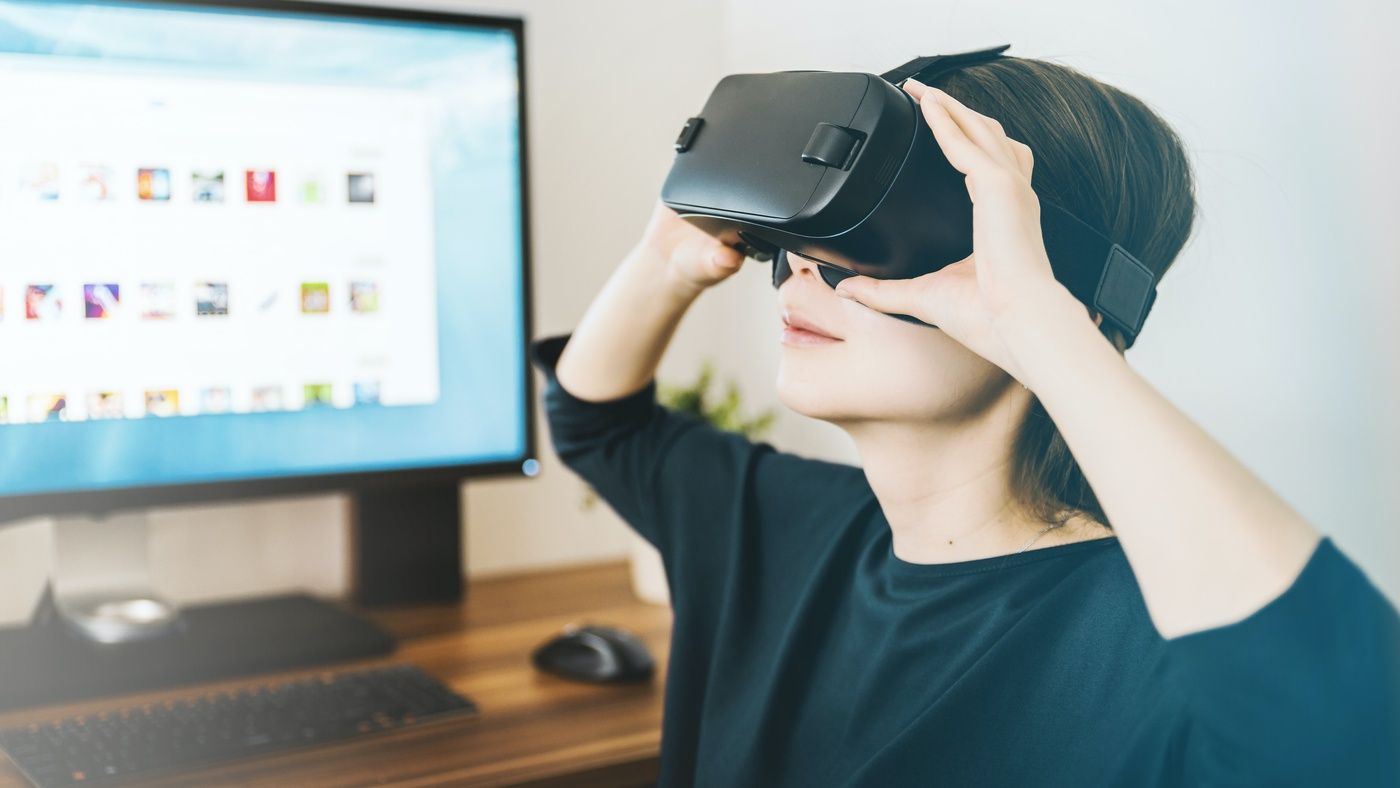
Mental Benefits of Playing Video Games for Students
Managing University Stress
University life can be demanding so gaming may offer a satisfying, temporary mental break from coursework, deadlines and exams.
Taking Productive Study Breaks
Short gaming sessions can provide a change of focus that helps students return to studying with renewed concentration.
Building Friendships Through Gaming
Gaming societies, multiplayer communities and shared interests can help students form social connections.
Creating Healthy Gaming Habits During Exams
Scheduling gaming around revision rather than using it to avoid studying helps maintain balance.
Choosing Games That Support Wellbeing
Relaxing, creative and cooperative games often provide a different experience from highly competitive ones. Choosing games that match your mood and goals can improve the overall experience.

How to Enjoy the Benefits of Gaming Without the Downsides
How Much Gaming Is Considered Healthy?
There is no universal number of hours that works for everyone and healthy gaming depends on whether it fits comfortably alongside your sleep, exercise, social activities and academic responsibilities.
Know the Signs Gaming May Be Becoming Unhealthy
We all overdo it sometimes and accidentally lose track of time, however, potential warning signs that gaming is becoming an unhealthy habit include:
- Consistently sacrificing sleep
- Neglecting studies
- Withdrawing from friends and family
- Feeling unable to stop playing
- Losing interest in other activities
Balance Gaming With Other Priorities
Gaming should enhance your life, rather than dominate it, so always work to maintain a healthy balance between:
- Sleep – 8+ hours ideally.
- Exercise – NHS recommends 20-30 minutes per day.
- Studying – always schedule breaks to avoid burnout.
- Socialising – human connection is vital when you’re studying.
- Gaming – always in moderation.
Our Tips for Healthier Gaming Sessions
- Follow the 20-20-20 rule for eye comfort – or every 20 minutes you spend looking at a screen, you should take a 20-second break to look at an object located at least 20 feet away.
- Stay hydrated
- Maintain good posture
- Take regular screen breaks
- Set reasonable time limits
- Avoid gaming late into the night before important commitments

H2: You Get the Best Benefits of Playing Video Games from Balance
As we’ve said, video games aren’t inherently good or bad. For students especially, gaming can be a valuable hobby alongside studying, exercise, social activities and healthy routines.
Whether you’re competing with friends, exploring creative worlds or simply unwinding after lectures, the goal should always be balance and like any hobby you enjoy, gaming works best when it’s part of a healthy and well-rounded student lifestyle.
If you’re looking to connect with fellow students, many university communities and student accommodation like Collegiate offer gaming societies, social events and shared spaces where you can enjoy gaming as part of your wider university experience.
FAQs
Can playing video games help reduce exam stress?
For many students, moderate gaming can offer a period of relaxation and recovery to help them unwind after studying.
Do all video games offer the same benefits?
No, different genres encourage different skills, experiences and outcomes which is why it’s good to play something that suits your mood.
Can playing video games improve communication skills?
Cooperative and multiplayer games often require teamwork, communication and coordination which has been found to help with overall skills.
Are there any long-term benefits of playing video games?
Some research suggests gaming may support cognitive skills, social connections and problem-solving abilities over time.
Can video games be a healthy hobby alongside university life?
Yes, provided they are balanced with studying, sleep, exercise and social activities.
What are the signs that gaming is no longer beneficial for you?
Warning signs include neglecting responsibilities, reduced sleep and difficulty controlling time spent playing.
Can video games help people make new friends at university?
Yes, you can explore gaming societies, online communities and multiplayer games that can all help students build on existing and find new friendships.
Is gaming better than scrolling social media for relaxation?
The answer varies between individuals, but many people find active engagement through gaming more satisfying than passive scrolling.
Can playing video games improve confidence?
Research has suggested that successfully overcoming challenges and developing skills within games may contribute to increased confidence for some players.
Are single-player or multiplayer games better for your wellbeing?
Neither is universally better. The most beneficial choice depends on your preferences, goals and how you like to relax.

Do Students Get Free Dental Care?
July 7, 2026

How to Apply for a Free Student Bus Pass UK
May 12, 2026

The 7 Best Nightclubs in Cardiff
May 11, 2026

The 7 Best Nightclubs in Southampton
May 11, 2026