
 it
it  en
en  en
en 
You’ve secured your place and chosen your course; now it’s time to get packing. Fitting your everyday life into a few boxes and bags might feel daunting at first, but our uni packing list breaks it down into clear, manageable categories.
Whether you’re kicking off your first year, coming back to university or joining us from overseas, our ultimate university packing list begins with a few quick checks before you buy anything, then works through the essentials for each part of student life. That way, you can arrive at your new home feeling organised and ready to settle in.

Before You Start Packing
A little preparation before shopping will save you money, luggage space and a trip home with things you didn’t need. So, first check through these points:
- Find out what’s included – read your accommodation inventory (it usually comes with your accommodation welcome documents) to see which furniture and essentials are already there.
- Confirm room and bedding sizes – if those details aren’t provided, simply ask for your mattress dimensions and check how much storage space you’ll have.
- Check kitchen equipment – your inventory will usually specify what appliances, cookware and utensils are supplied.
- Read your university’s recommendations – check out your uni arrival guidance, course equipment lists and any potential restrictions.
- Consider your journey – be realistic about car space, airline baggage allowances or what you can feasibly carry on the train.
- Make a basic plan – your university packing list can be divided into things you already own, things to buy and things that can wait until you arrive.
Your First-Night Bag
If you arrive late in the evening, or run out of steam when unpacking, it helps to have the essentials in a separate bag;
- Phone and charger
- Toiletries – toothbrush, toothbrush, face wash, deodorant etc.
- Two towels
- Change of clothes
- Basic medication such as ibuprofen, and any regular prescriptions
- Important documents – I.D. or passport
- Reusable water bottle and snacks
- Bedding, if it isn’t provided

Bedroom, Storage and Laundry Essentials
Whether you opt for a shared apartment or private studio, your room will be a space to sleep, study and unwind so it’s best to start with the things that make the day-to-day comfortable. You don’t have to have every last corner looking aesthetic from day one, simple things like plants, photo frames or cosy bedding and cushions can make all the difference.
When packing for university consider:
- A duvet and pillows, if they aren’t provided.
- Duvet cover, pillowcases and fitted sheets – with a spare set for laundry day.
- A mattress protector, if one isn’t supplied.
- Coat hangers, even if some are provided you’ll likely need more.
- A few compact storage boxes or drawer organisers – choose storage that suits the room.

A Note on Bed Sizes
A standard UK single mattress is typically 90cm wide by 190cm long, but you may find you have a small double or longer mattress. You can find standard measurements in the Bed Advice UK size guide, although your accommodation provider should confirm the size of your particular bed.
International students; If you’re arriving from overseas, be sure to check bedding measurements in your accommodation inventory as a UK single or double may not match the sizes you’re used to at home.
Laundry and Cleaning Essentials
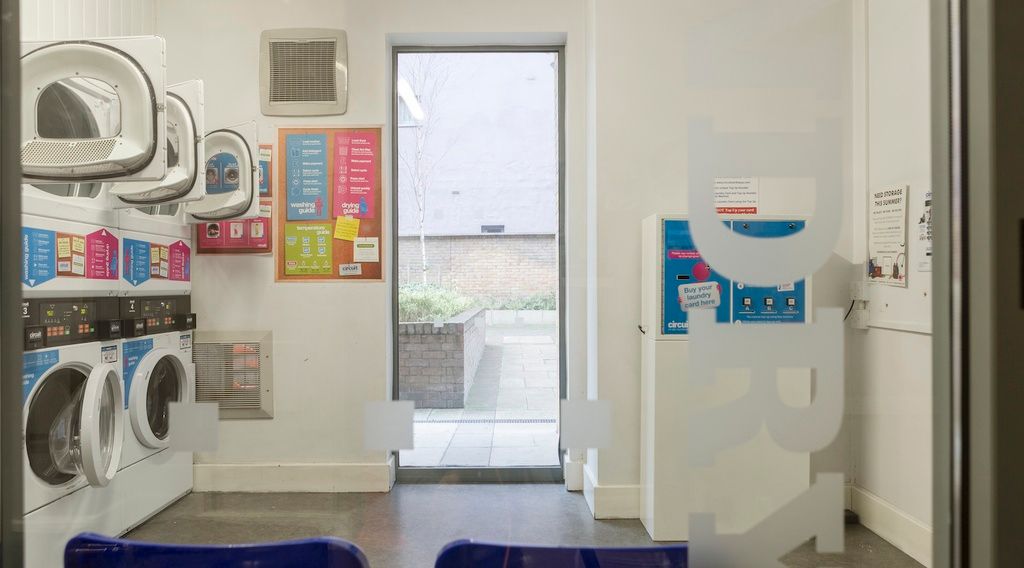
Laundry isn’t the most exciting part of student life, but it is essential and having the basics ready means one less thing to think about. As many of these items are unlikely to be provided, your university packing list should include:
- A laundry bag or basket that’s easy to carry
- Laundry detergent
- Stain remover
- Reusable cleaning cloths
- A multi-surface cleaner
- Bin bags that fit your room’s bin
It’s best to check whether a drying rack is provided, as well as what cleaning equipment your accommodation provides before buying anything bulky like a vacuum cleaner or mop and bucket.

Kitchen and Kitchenware Essentials
For a shared kitchen, think about what you’ll actually use to make your usual meals. Having a few dependable basics will be much easier to maintain than full sets and gadgets you only end up using once.
A practical starting point for your uni packing list for the kitchen is:
- Two plates, two bowls, two mugs and two drinking glasses
- A set of cutlery
- One saucepan and one frying pan
- A baking tray and/or ovenproof dish
- A chopping board and a good kitchen knife
- A wooden spoon and spatula
- A colander, can opener and scissors
- A couple of reusable food containers
- Tea towels, washing-up liquid and a sponge or brush
Remember: Check the hob type before buying pans, particularly if your kitchen has an induction hob as not all pans work on those. Add any extra utensils such as soup spoons, chopsticks or steamers around the meals you enjoy cooking and eating, rather than packing for recipes you’re unlikely to make.
In a shared kitchen, kettles, toasters and other appliances are often supplied or shared, so leave those purchases until you know what’s already there. Labelling your containers and any personal items can also help avoid mix-ups.
Bathroom, Health and Personal Care
There’s no need to bring a whole term’s worth of toiletries, especially if you’re short on luggage space. It’s best to start with the products you use every day and remember that pharmacies such as Boots and Superdrug are always nearby in major UK cities so there’s plenty of opportunity to top up as you go. Your bathroom uni essentials might include:
- Toothbrush and toothpaste.
- Shampoo, conditioner and shower gel.
- Deodorant.
- Skincare and personal grooming products.
- Period products.
- A shower towel and hand towel, with spares for laundry day.
- A wash bag or bathroom caddy for shared bathrooms.
- Toilet roll for arrival, where needed.
- First Aid and regular medication – simply as a precaution because it’s much easier to have what you need to hand from day one.
- A small first-aid kit with plasters and basic dressings.
- Your usual over-the-counter medication, if needed.
- Any prescription medication you take
- A copy of your prescription or medication details
You should keep medication somewhere accessible such as your overnight bag when moving into your student accommodation. Although if you’re arriving from overseas, check the rules for bringing your particular medication into the UK before travelling.


What to Pack for Clothing
When packing for university, start with what you actually wear in a normal week. Enough everyday clothes to fit around your laundry routine and comfort will usually be more useful than outfits for every possible occasion.
Your uni packing list can include:
- Everyday tops, trousers, jeans or skirts.
- Underwear, socks and nightwear.
- Jumpers or other easy layers.
- A waterproof coat or jacket.
- Comfortable shoes for walking to lectures.
- Footwear suitable for wet weather.
- One smart outfit for interviews, presentations or work.
- Gym or sports kit, if you’ll use it.
- A few clothes for evenings out.
- Seasonal accessories, such as a scarf, hat and gloves.
In the UK, you can experience all four seasons in one day – so layers earn a place in your suitcase. If you’ll be visiting home between terms, you may be able to swap seasonal clothes rather than bringing everything at once.
Study and Tech Essentials
Start with the equipment you have, then check your university or course requirements and recommendations before making bigger purchases.
Your uni packing list should cover:
- A suitable laptop or tablet for your course
- Your phone and the correct chargers
- Headphones
- An extension lead or power strip, if permitted by your student accommodation
- A USB drive or external storage, if you need it
- Notebooks, pens and a few stationery basics
- A backpack or suitable bag for lectures
- Course-specific equipment, such as an approved calculator
Check your course reading list and decide what you can borrow or buy second hand before buying new. Find out whether your university provides software licences for students such as Microsoft 365 or access to specialist computers before paying for your own. If your student accommodation specifically recommends a small luggage lock only then will you need to bring one.


Important Documents, for UK and International Students
Having a few key things to hand will help keep your arrival running smoothly. Have copies of key documents together in a clearly labelled and accessible folder, whether that’s on paper or your phone.
For UK students, the main documents to organise are:
- Valid photo ID, such as a passport or driving licence
- Your university offer and enrolment information
- Accommodation confirmation and your tenancy agreement
- Student finance or scholarship information
- Relevant insurance documents
- Any documents requested as proof of address
Check what counts as proof of address for the particular service you’re using, for example if you’re registering as a student with a GP. Your university or accommodation team may be able to provide a confirmation letter if required.
For International Students
Alongside the documents above, your university packing list may include:
- A valid passport and relevant visa documentation
- Access to your eVisa, where applicable
- Your Confirmation of Acceptance for Studies details
- Proof of funds or sponsorship, where required
- Travel insurance documents and emergency contact details
- Any required certified translations of supporting documents
- Your accommodation address and arrival contact details
If you have an eVisa, check that you can access your UKVI account and that your current travel document (or eVisa) is linked before travelling. Keep essential original documents in your hand luggage in a folder, with secure digital copies stored somewhere accessible.
Your university should be your starting point for the exact documents needed for arrival and enrolment although Collegiate offers international student support pages too.

What You Don’t Need to Bring
The ultimate university packing list doesn’t require you to buy everything on it. Use these three categories to work out what gets a place in your bags before heading to any shop.
Usually Provided
Check your room inventory to confirm the details, but you’re unlikely to need to bring furniture as you can generally expect:
- A bed frame and mattress
- A desk and chair
- A wardrobe and some storage
- Basic kitchen appliances in shared kitchens
Sometimes Provided
These items vary between buildings, room types and accommodation packages but the following items are sometimes provided:
- Kitchen utensils and crockery
- Bedding
- A mattress protector
- Cleaning equipment
- Laundry facilities or equipment, such as an iron or drying rack
Laundry facilities may be available on site without washing or drying being included in your rent so be sure to check your access, any payment required and what you need to supply yourself.
Check Before Buying
Before buying anything bulky, confirm whether it’s supplied, shared or available through your accommodation. Waiting until you arrive can sometimes be the simplest option as it’s unlikely you’ll need items like these from day one, so wait before buying the following:
- Kettle
- Toaster
- Microwave
- Iron or ironing board
- Vacuum cleaner
- Cooking equipment
- Bedding
Read your tenancy agreement, inventory and arrival information, or contact your accommodation provider directly if you’re unclear. For shared items, it can also help to speak to your future flatmates before everyone arrives with the same thing.
If your student accommodation is with Collegiate, our lifestyle packs offer a super easy way to pre-order bedding, kitchen items and other uni essentials through UniKitOut. You can compare the pack contents with what you already own and what your room includes and arrange delivery to your room before you even get there.
FAQs
Is it worth shipping items ahead of arrival rather than carrying them?
If you’re travelling internationally, it can be useful for bulky belongings. Compare shipping costs with extra baggage fees and the cost of buying essentials locally. Check delivery times, possible customs charges and whether your accommodation can accept the shipment before making any arrangements
Do I need to bring my own WiFi router?
Usually, you won’t need one in purpose-built student accommodation, but check your building’s internet information before travelling. A personal router may not be compatible with the network or permitted. If you’re moving into a private house, confirm whether broadband is already arranged with your landlord or housemates.
Should international students bring UK adapter plugs, or buy them on arrival?
Bringing a suitable UK adapter means you can charge your phone as soon as you arrive. Choose one compatible with UK Type G sockets and check that your device supports the UK electricity supply. Remember that an adapter changes the plug connection but it doesn’t convert voltage.
Can I send post or parcels to my accommodation before I arrive?
It’s always best to ask your accommodation team first. Some buildings can accept deliveries before check-in, while others have limited storage or only accept parcels once your tenancy begins. Confirm the earliest delivery date, the correct address format and whether there are restrictions on parcel size before you send anything.
How do I avoid overpacking for university?
Use this uni packing list to separate essentials from things you might want or need later. Check what’s provided to avoid buying duplicates or shared items and pack around your usual routines. If you’re unsure about something bulky, leave it until you’ve seen your room and know you’ll use it.
What should I do if I forget something after moving in?
Remember that most everyday items can be bought nearby or ordered once you’ve settled in and your accommodation team can help you find local shops. Any forgotten paperwork is usually available digitally, and if you’ve left behind essential medication, contact your usual pharmacy or prescriber promptly for advice.
When’s the best time to start packing before moving-in day?
Start planning around three to four weeks before your move, to give yourself time to check what’s included and organise shopping or deliveries to arrive in time. Pack things you don’t use daily during the final week, then leave a short checklist for last-minute items such as chargers, toiletries and medication.
Should I pack differently if I’m flying to university rather than driving?
Yes. Prioritise documents, medication, essential tech and versatile clothing for the journey, then consider buying bulky bedding and kitchenware after your arrival. Keep your first-night essentials in your hand luggage where permitted, in case checked bags are delayed. Be sure to check your airline’s baggage limits and rules for liquids and batteries.
Can I bring a car to university as a first-year student?
This depends on your university and accommodation, rather than simply which year you’re in as parking may be limited, require a permit or be unavailable to residents. Check both policies before bringing a car, and consider whether public transport, walking or cycling will better cover your everyday journeys.